

What Does Pure Cocaine Look Like
What Does Pure Cocaine Look Like? Appearance, Identification and Safety Facts in Canada
Imagine finding an unfamiliar white powder and wondering what it might be. A quick internet search may show photographs of cocaine, but those pictures cannot reliably tell you what a substance contains—or whether it is dangerous.
One question frequently searched online is “What does pure cocaine look like?” While cocaine has certain commonly described physical characteristics, appearance alone cannot establish its identity, chemical composition, or purity.
This distinction matters in Canada, where cocaine is a controlled substance and the unregulated drug supply can contain unexpected and potentially life-threatening substances.
This guide explains what cocaine may look like, why visual identification is unreliable, and what Canadians should know about substance-related health risks.hellya.cx
What Does Pure Cocaine Look Like?
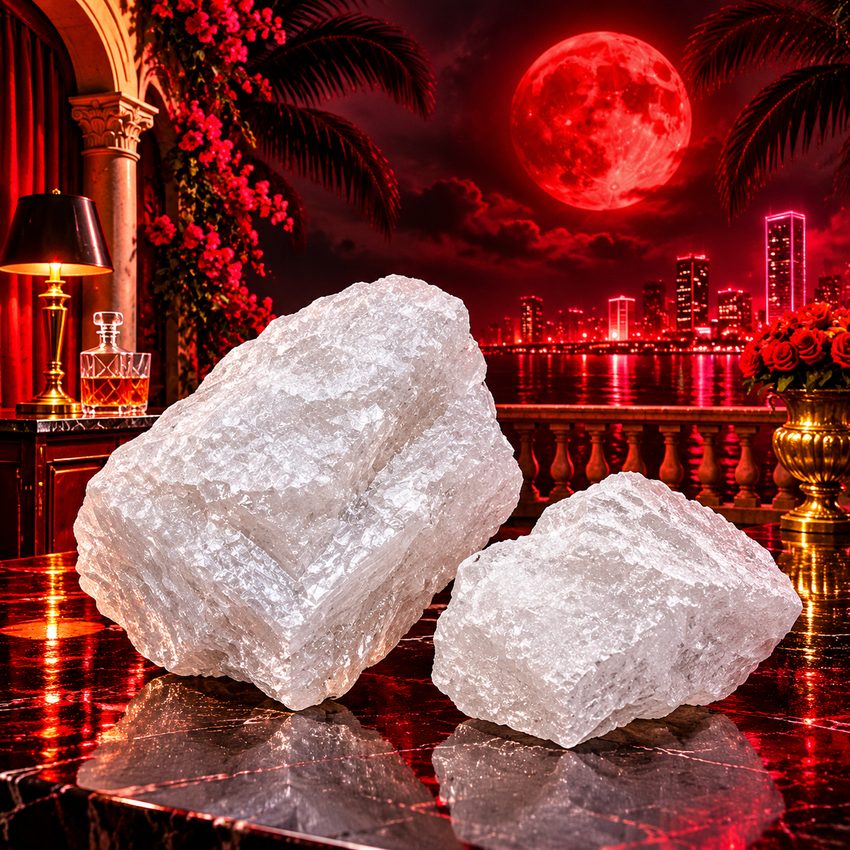
Cocaine hydrochloride, a commonly encountered form of cocaine, is generally described as a white crystalline powder.
Depending on its physical form, it may appear as a fine powder or as small crystalline particles.
However, these descriptions are not unique to cocaine. Numerous unrelated substances can have similar appearances.
Even substances that look nearly identical may have entirely different chemical compositions.
A white colour, crystalline texture, or powder-like appearance does not prove that a substance is cocaine or that it is pure.
Can You Identify Pure Cocaine by Its Colour?
People sometimes assume that a substance’s colour can reveal its purity.
This is a misconception.
Although cocaine hydrochloride is typically described as white, colour alone cannot determine the presence or absence of other chemicals.
A substance may appear white while containing additional compounds.
Similarly, an unusual colour does not reliably identify a particular contaminant.hellya.cx
Visual comparisons, including online photographs, cannot replace validated laboratory analysis.
Cocaine Powder vs. Crack Cocaine: What Is the Difference?
Cocaine can occur in different chemical forms.
Cocaine Hydrochloride
Cocaine hydrochloride is a salt form commonly associated with powdered cocaine.
It is typically described as a white crystalline material.
Cocaine Base
Cocaine base is a different chemical form, commonly associated with crack cocaine.
It may be encountered as irregular solid pieces rather than a fine powder.
Both forms carry serious health risks, including cardiovascular complications, dependence, and overdose.
Neither form can be reliably assessed for purity through appearance alone.hellya.cx
Why Cocaine Purity Cannot Be Determined by Appearance
The term pure cocaine refers to chemical composition, not a particular colour or texture.
A substance’s appearance may be influenced by its physical form, moisture, particle size, and other materials present.
Importantly, dangerous substances may be present without producing an obvious visual difference.
For this reason, claims that cocaine can be identified as pure through its appearance, smell, or texture are unreliable.
Professional laboratory methods are required to determine chemical composition with meaningful accuracy.hellya.cx
Even confirmed chemical identity does not make cocaine safe to use.

Cocaine Contamination and Canada’s Unregulated Drug Supply
One of the most serious concerns involving unregulated substances is the possibility of unexpected ingredients.
In Canada, public health authorities have documented the presence of opioids and other unexpected substances in portions of the unregulated drug supply.
This creates particular dangers because someone may be exposed to substances they did not expect.
For example, opioid contamination can produce respiratory depression and potentially fatal overdose.
A substance’s appearance cannot reliably establish whether opioids or other dangerous compounds are present.
Canadians seeking information about local drug-checking services can consult provincial public health organizations and community harm-reduction programs.hellya.cx
What Should You Do If You Find an Unknown White Powder?
If you discover an unidentified powder, avoid handling or disturbing it unnecessarily.
Do not taste, smell closely, or deliberately inhale the substance to determine what it is.
Keep children and pets away from the area.
If the material may present an immediate danger, contact an appropriate local authority or emergency service for guidance.
If accidental exposure occurs and someone develops difficulty breathing, severe confusion, chest pain, seizures, or loss of consciousness, call 911 in Canada.
Health Risks Associated With Cocaine
Cocaine is a powerful stimulant that affects the central nervous system and cardiovascular system.hellya.cx
Its effects can include increased heart rate, elevated blood pressure, anxiety, and changes in body temperature.
More serious complications may include:
- Heart attack
- Stroke
- Dangerous heart rhythms
- Seizures
- Severe agitation or paranoia
- Cocaine use disorder
- Overdose and death
These complications can occur even when the substance contains cocaine without other drugs.
Purity should never be confused with safety.
Is Cocaine Legal in Canada?
Cocaine is classified as a Schedule I controlled substance under Canada’s Controlled Drugs and Substances Act.
Unauthorized possession, production, trafficking, importation, and distribution are prohibited, subject to applicable legal exceptions.hellya.cx
Certain scientific and medical activities may be permitted through specific federal authorizations.
However, these exceptions do not establish general legal availability for recreational use or unrestricted commercial sale.
For current legal information, readers should consult official Government of Canada resources.
Understanding Cocaine Information Online
When searching for information about cocaine, readers may encounter scientific articles, public health resources, personal accounts, and commercial websites.
These sources do not always provide the same level of accuracy.
Readers exploring Hellya’s pure cocaine category should understand that a product listing, image, or description cannot verify a substance’s chemical identity or purity.
Nor does the existence of an online listing establish that a seller is legally authorized to distribute a controlled substance in Canada.
For reliable medical and legal information, Health Canada and qualified public health professionals are appropriate sources.
Frequently Asked Questions About Pure Cocaine
What does pure cocaine look like?
Cocaine hydrochloride is generally described as a white crystalline powder. However, appearance alone cannot establish whether a substance is cocaine or determine its purity.
Is pure cocaine always white?
Cocaine hydrochloride is typically white, but colour is not a reliable test of chemical identity or purity.hellya.cx
Can cocaine purity be identified by texture?
No. Texture does not reliably indicate purity, chemical composition, or the presence of contaminants.
Can cocaine look like other white powders?
Yes. Many unrelated substances have similar physical appearances, making visual identification unreliable.
Is pure cocaine safer than contaminated cocaine?
No. Cocaine itself can cause serious cardiovascular, neurological, and psychological complications. Contamination may introduce additional risks.
Can cocaine contain fentanyl?
Unexpected opioids, including fentanyl, have been detected in parts of Canada’s unregulated drug supply. Their presence cannot be determined by sight.
How can an unknown substance be identified?
Professional laboratory analysis is the most reliable way to establish chemical composition. Community drug-checking services may also provide useful information, although their capabilities and limitations vary.hellya.cx
Conclusion
So, what does pure cocaine look like?
Cocaine hydrochloride is commonly described as a white crystalline powder, but this appearance is shared by many other substances.
There is no dependable visual method for determining whether an unknown powder contains cocaine, how pure it is, or whether dangerous contaminants are present.
For Canadians, understanding these limitations is an important part of substance safety awareness.
For authoritative information, consult Health Canada, local public health services, and qualified healthcare professionals.hellya.cx